June 3, 2023
Employee comfort and productivity go hand in hand, and ergonomic design plays a crucial role in achieving both.
Height-adjustable desks allow employees to alternate between sitting and standing throughout the day, reducing the health risks associated with prolonged sedentary work. These workstations can be personalized to each individual's body proportions, ensuring optimal posture and comfort. Investing in adjustable furniture demonstrates a company's commitment to employee well-being.
Beyond traditional office chairs, active seating solutions such as balance stools, saddle chairs, and kneeling chairs encourage micro-movements that strengthen core muscles and improve circulation. Providing a variety of seating options empowers employees to choose what works best for their body and task at hand.
Ergonomic lighting goes beyond simply illuminating a space — it involves reducing glare, minimizing eye strain, and supporting the body's natural circadian rhythm. Task lighting with adjustable brightness and color temperature allows employees to customize their visual environment. Combined with ample natural daylight, proper lighting design significantly enhances focus and reduces fatigue.
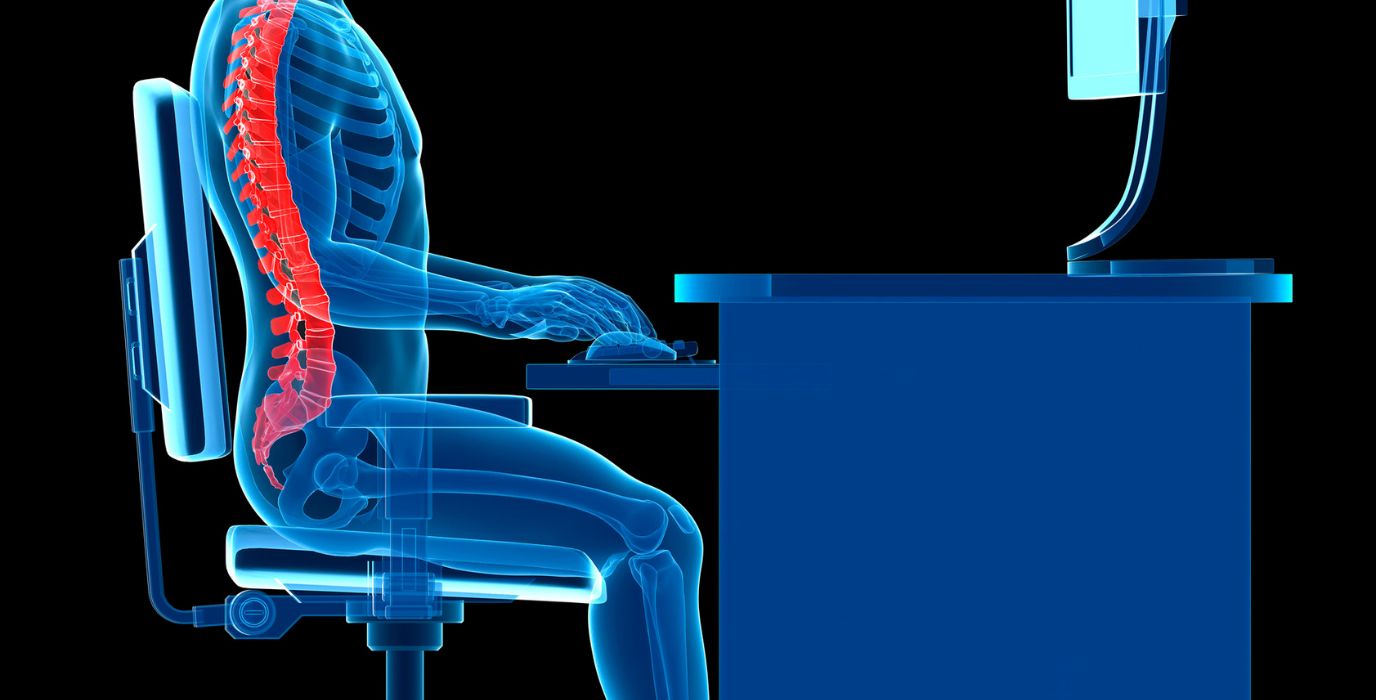
An ergonomic workspace layout considers the flow of movement, accessibility of frequently used items, and the reduction of repetitive strain. Placing monitors at eye level, positioning keyboards at elbow height, and organizing supplies within arm's reach are fundamental principles. Thoughtful spatial planning ensures that employees can work efficiently without unnecessary physical stress.
Back to Journal